Visit St Kilda – Scotland’s Remote Island Wilderness
Discover St Kilda, one of the most extraordinary and remote places in the British Isles. Set 40 miles off the coast of the Outer Hebrides, this wild and dramatic archipelago is a UNESCO World Heritage Site, recognised for both its natural beauty and cultural significance. With soaring cliffs, rare wildlife, and the haunting remains of a once-thriving community, St Kilda offers an unforgettable journey to the edge of the world.
Why Visit St Kilda?
A World Heritage Treasure
St Kilda is unique in holding dual UNESCO World Heritage status, recognised for both its cultural heritage and its outstanding natural environment. The islands tell the remarkable story of human survival in one of the harshest environments in Europe, while also providing a sanctuary for millions of seabirds.
Breathtaking Landscapes
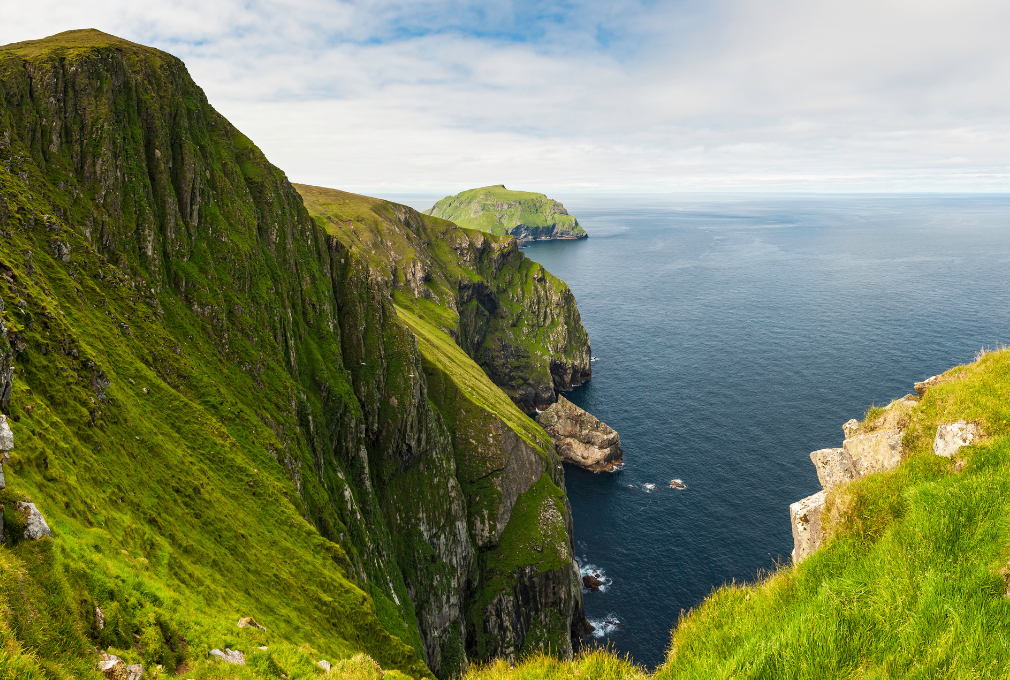
The islands are famed for their towering sea cliffs, the highest in the UK, and dramatic sea stacks rising from the Atlantic. Rugged, windswept, and awe-inspiring, the landscape makes St Kilda one of the most spectacular natural destinations in Scotland.
Rare Wildlife & Birdlife
St Kilda is home to the largest colony of Atlantic puffins in the UK, as well as gannets, fulmars, and storm petrels. The islands are also the only place in the world where the St Kilda wren and St Kilda field mouse are found. Wildlife enthusiasts and photographers will find it a true paradise.
A Lost Community
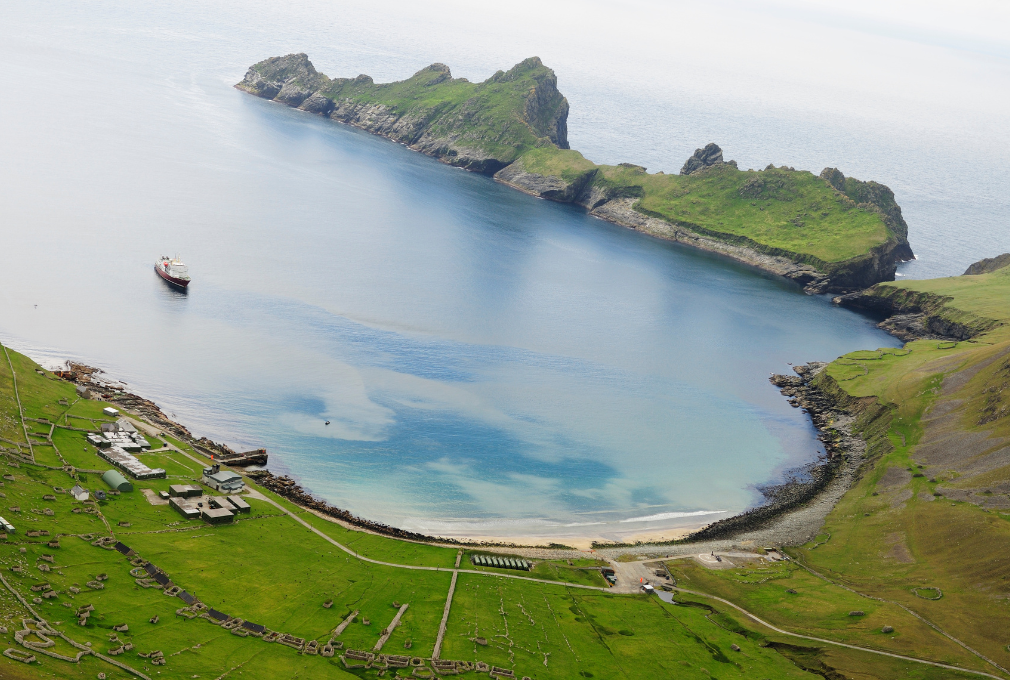
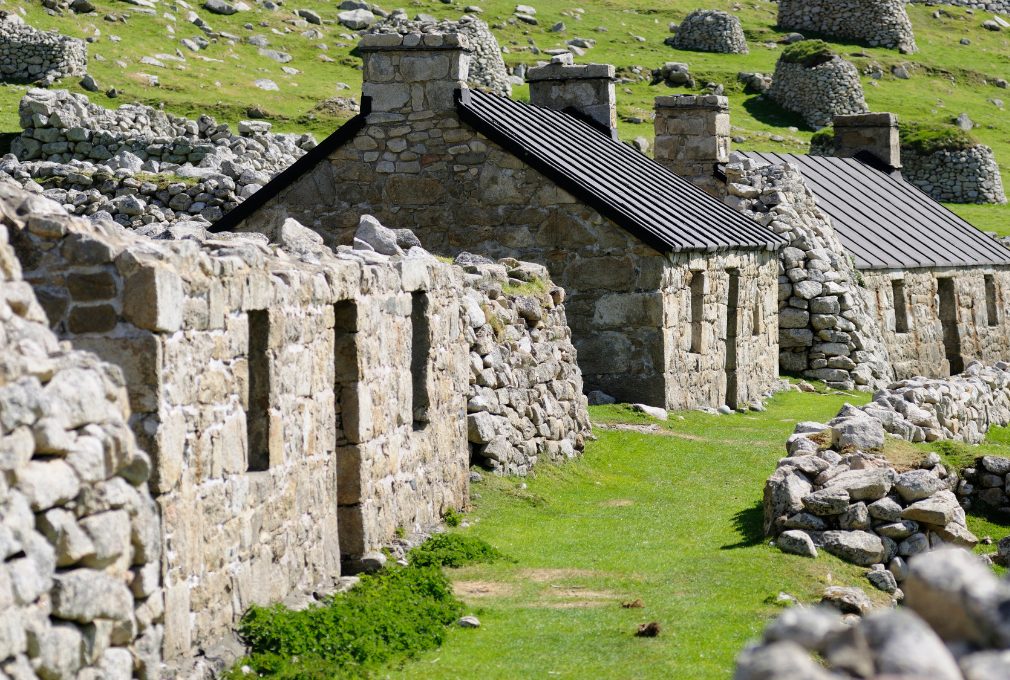
For thousands of years, St Kilda was home to a small, hardy population who lived by farming, fishing, and fowling. In 1930, the last islanders were evacuated, leaving behind the haunting stone cottages of Village Bay, which can still be explored today. Walking among these ruins gives a moving glimpse into a unique way of life.
Adventure & Exploration
Visiting St Kilda is an adventure in itself. Accessible only by boat or occasionally helicopter, reaching the islands feels like stepping into another world. Once ashore, visitors can hike across the island, watch seabirds wheel overhead, and absorb the untamed beauty of this remote wilderness.
Plan Your Visit to St Kilda
-
Location: Approximately 40 miles west of the Outer Hebrides, Scotland. Most trips depart from Harris, Uist, or Skye.
-
Best Time to Visit: Summer (May–September) offers calmer seas, longer days, and the best chance to see puffins and other seabirds.
-
Getting Here: Access is limited to boat tours and occasional cruises. Trips are weather-dependent, so flexibility is essential.
-
Where to Stay: There is no public accommodation on St Kilda itself. Visitors usually stay on Harris, North Uist, or Skye, where tours depart daily during the summer months.
Experience the Magic of St Kilda
Remote, wild, and deeply moving, St Kilda is more than just an island visit, it’s a once-in-a-lifetime experience. From its dramatic cliffs and rare wildlife to its haunting human history, St Kilda offers a journey into Scotland’s past and its raw, natural beauty.