
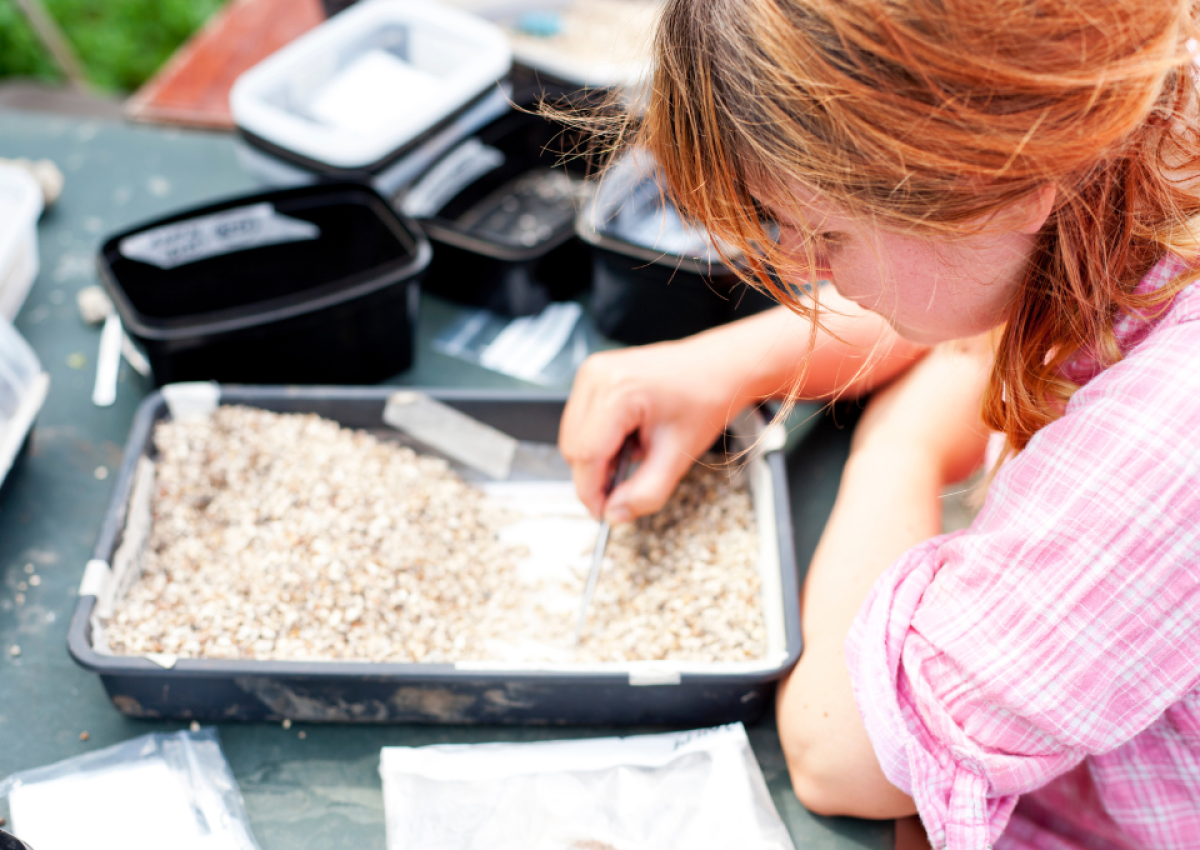
National Trust Invites Visitors to Explore Hidden Histories Across the UK
This summer, the National Trust is inviting visitors to step back in time during the Festival of Archaeology 2026, the UK’s largest archaeological celebration. Running from 18 July to 2 August 2026, the nationwide festival offers a unique opportunity to discover the fascinating stories hidden beneath some of Britain’s most treasured historic places and landscapes.
Organised by the Council for British Archaeology in partnership with the National Trust and hundreds of heritage organisations, the annual festival celebrates archaeology through an exciting programme of hands-on activities, guided walks, expert talks and family-friendly events taking place across the UK.
Whether you’re a history enthusiast, archaeology lover or simply looking for an inspiring day out this summer, the Festival of Archaeology promises something for visitors of all ages.
What is the Festival of Archaeology?
The Festival of Archaeology is the UK’s biggest annual celebration of archaeology and heritage. Every year, historic sites, museums, charities and archaeological organisations come together to showcase the incredible discoveries that help us understand Britain’s past.
The festival encourages everyone to explore the history beneath their feet, revealing how archaeology continues to uncover the people, places and events that have shaped the nation over thousands of years.
Discover Archaeology at National Trust Places
Throughout the festival, National Trust properties across England, Wales and Northern Ireland will host a wide variety of special events designed to bring history to life.
Visitors can enjoy:
- Guided archaeological walks through historic landscapes
- Interactive excavation experiences and dig boxes
- Expert talks from archaeologists and conservation specialists
- Family trails and children’s activities
- Behind-the-scenes insights into archaeological discoveries
- Opportunities to learn about historic buildings, gardens, castles and ancient monuments
These events offer a rare chance to explore hidden aspects of some of Britain’s best-loved heritage sites while discovering how archaeologists uncover new stories every year.
A Perfect Family Day Out This Summer
The Festival of Archaeology offers plenty of activities for families, making it an ideal way to entertain children during the school holidays while inspiring a love of history.
Young explorers can search for artefacts, learn excavation techniques, complete archaeology-themed trails and discover how clues from the past help tell the story of Britain today.
Many activities are designed specifically for beginners, so no previous archaeological knowledge is needed.
Why Archaeology Matters
Archaeology allows us to understand how previous generations lived, worked, travelled and built the landscapes we enjoy today. Every excavation, survey and discovery helps historians piece together Britain’s rich and diverse heritage.
Many National Trust places continue to reveal exciting new finds, from medieval settlements and Roman remains to prehistoric landscapes and forgotten gardens, ensuring there is always something new to discover.
Plan Your Festival of Archaeology Visit
Running from 18 July to 2 August 2026, the Festival of Archaeology is the perfect opportunity to visit historic houses, castles, landscapes and heritage sites across the UK.
Whether you’re joining a guided walk, trying your hand at an archaeological dig or simply learning more about the hidden history of Britain’s remarkable heritage, the festival offers unforgettable experiences for visitors of every age.
Check with individual National Trust properties for event programmes, admission details and booking information, as some activities may require advance booking.
This summer, uncover the stories beneath the surface and discover the rich history waiting to be explored at the Festival of Archaeology 2026.