
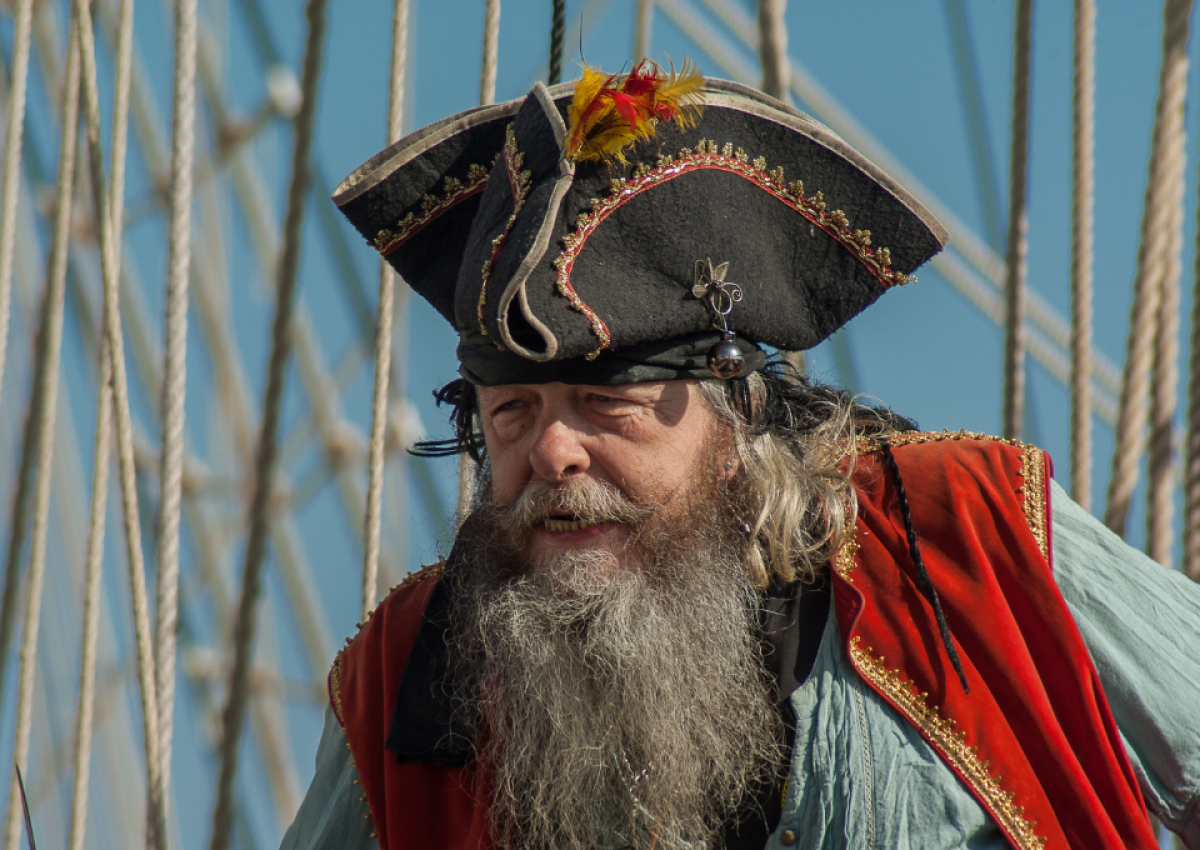
Britain, as an island nation, was naturally tied to the sea, making it both a target for pirates and a source of some of the world’s most notorious seafarers. The Golden Age of Piracy roughly spanned 1650 to 1730, a period when piracy flourished across the North Atlantic, Caribbean, and Indian Oceans, and along Britain’s own coasts.
Pirates during this time raided not only foreign merchant ships but also coastal towns and harbours in England, Wales, and Scotland. This era is generally divided into three phases:
-
The Buccaneering Period – mainly Caribbean-focused, targeting Spanish treasure ships.
-
The Pirate Round – long voyages from the Americas to India, attacking East India Company vessels.
-
Post-Spanish Succession Piracy – unemployed sailors from European navies turned to piracy, including raids closer to home.
Piracy Around Britain’s Coast and Notable UK Pirate Events
While the Caribbean and Atlantic Ocean get most of the attention, Britain’s coastline was far from safe during the Golden Age. Pirates frequently targeted merchant ships, fishing vessels, and even small coastal towns.
-
Cornwall, Devon, and the West Country were hotspots for piracy. Many pirates, such as Edward Low, hailed from these coastal towns. The notorious pirate Henry Strangways operated in these waters, raiding merchant vessels and evading capture in the rugged coves along the south-west coast.
-
London and its docklands produced privateers and pirates who knew the Thames and nearby estuaries intimately, allowing them to evade authorities. The infamous “Captain Kidd” was originally commissioned as a privateer in London before turning pirate, his exploits including attacks on ships near the British Isles.
-
The Scottish coast, particularly around the Firth of Forth and the Orkney Islands, witnessed pirate raids and privateering activities. Pirates like John Gow terrorized the northern waters, capturing ships and using the rugged coastline to hide loot.
-
Welsh coastal towns were occasionally raided by pirates, and Welsh sailors often joined pirate crews or privateering ventures. The Menai Strait and Bristol Channel served as routes for pirate and smuggler ships alike.
These UK pirate events highlight that piracy was not just a distant problem in the Caribbean but a very real threat in British waters. Pirates used hidden coves, estuaries, and small harbours to evade naval patrols, stash stolen goods, or repair their ships. The proximity of British pirates to home made them particularly dangerous, as they combined local knowledge with naval training.
Origins and History of Piracy in Britain
Piracy in Britain emerged from economic hardship, colonial rivalry, and naval conflicts. Many pirates came from poor coastal communities, while privateers had royal commissions allowing them to attack enemy ships legally.
The Golden Age began after the Wars of Religion (~1650), when European powers resumed colonial expansion. Sea trade increased, creating opportunities for attacks on ships carrying valuable goods. British pirates often started locally before venturing to the Caribbean or Atlantic.
After the English capture of Jamaica, privateers like Henry Morgan operated with official sanction, plundering Spanish settlements and shipping.
Post-Spanish Succession and Coastal Piracy
The end of the War of the Spanish Succession (1714) left thousands of sailors unemployed. Many turned to piracy, including coastal raids in Britain and Ireland.
Pirates such as Charles Vane and Henry Every initially targeted the high seas but occasionally returned to British ports to resupply or recruit crews. Coastal piracy was also driven by Britain’s growing trade networks and wealth, with ships laden with goods being prime targets.
Pirates vs Privateers
Privateers had letters of marque from the crown, authorizing them to raid enemy vessels. Pirates, on the other hand, acted independently, often attacking ships of any nationality.
Some famous British privateers included:
-
Sir Francis Drake – circumnavigator and naval hero.
-
Sir John Hawkins – naval commander and early slave trader.
-
Sir Walter Raleigh – explorer and colonizer.
Many pirates started as privateers but later attacked ships without permission, blurring the line between lawful maritime warfare and outright piracy.
Famous British Pirates of the Golden Age
-
Black Sam Bellamy – captain of the Wydah Gally, known as the “Robin Hood of Pirates.”
-
Stede Bonnet – landowner turned pirate, captain of the Revenge.
-
Henry Every – retired successfully after commanding the Ganj-i-Sawai.
-
Edward Low – feared pirate from the West Country, active along British coasts.
-
Calico Jack Rackham – partnered with Anne Bonny and Mary Read in Caribbean raids.
-
Edward “Blackbeard” Teach – notorious pirate of the Atlantic and American coastlines.
-
Anne Bonny & Mary Read – famous female pirates who also operated near Caribbean trade routes.
The Decline of Piracy
By the 18th century, piracy along Britain’s coasts and globally began to decline due to:
-
Strengthened Royal Navy patrols along key trade routes.
-
The Treaty of Utrecht, which gave Britain naval superiority.
-
Greater enforcement and punishment for pirate activity in ports and coastal towns.
Pirate Festivals and Events in the UK
Today, the rich history of piracy in Britain is celebrated through numerous pirate festivals and events across the UK, keeping the spirit of the Golden Age alive for modern audiences. These festivals often feature historical reenactments, costume parades, sea shanties, pirate-themed markets, and educational exhibits.
-
Portsmouth International Pirate Festival is one of the largest and most famous, held annually in the historic naval city. It features pirate ship battles, treasure hunts, and live performances that attract thousands of visitors.
-
Falmouth Pirate Festival in Cornwall celebrates the region’s pirate heritage with immersive events, including storytelling sessions about local pirates like Henry Strangways.
-
Whitby Pirate Weekend in Yorkshire is known for its lively atmosphere, drawing fans of pirate lore and gothic culture alike, with themed events including costume contests and historic talks.
-
The Great Yarmouth Pirate Festival in Norfolk also celebrates with maritime displays and pirate reenactments, highlighting the town’s connections to coastal piracy and trade.
These festivals provide a fun, interactive way to engage with Britain’s maritime past, honoring both the daring privateers and infamous pirates who shaped coastal history.
Britain’s Golden Age of Piracy was not only about the Caribbean and distant seas, its own coasts were often raided, and its sailors became legendary pirates and privateers. From local towns to far-flung voyages, piracy shaped the maritime history of Britain and left a legacy of adventure, danger, and legend that continues to fascinate today. Modern-day festivals and events continue to celebrate this fascinating heritage, inviting people to experience the thrill and mystery of Britain’s pirate past.